FOR BUYERS·7 August 2026·10 min read
VAT and flag when buying a yacht: what you need to know
What 'VAT paid' actually means, how Turkish and foreign flags differ, and which documents you must see.
Yacht44

What 'VAT paid' actually means, how Turkish and foreign flags differ, and which documents you must see.
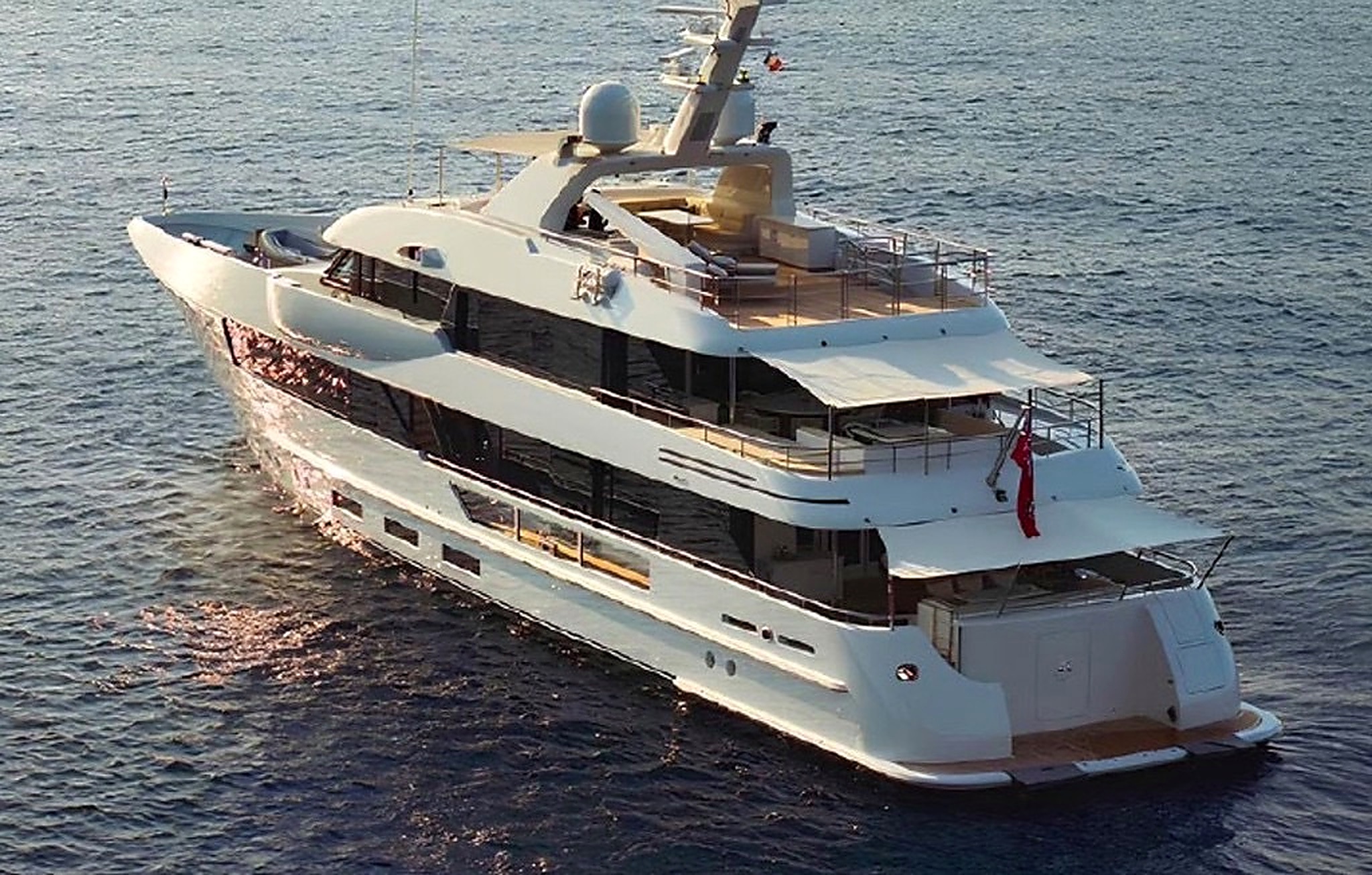
The 'VAT paid' statement you see on listings means tax has been settled within the EU customs territory and the boat may circulate freely in EU waters. A boat with unclear VAT status is a serious risk however attractive the price: you could face 18–25% tax plus penalties at the border.
The original invoice and proof of VAT payment, the CE declaration of conformity from the first sale, the current flag state's registration certificate and evidence that the boat is free of mortgages. If any of these four is missing, do not proceed.
Turkish-flagged boats are registered in Turkey and enjoy certain tax and insurance advantages, but sailing to foreign waters involves transit log and visa procedures. Foreign registries such as Malta, Poland or Delaware are chosen for cruising and charter flexibility in the Mediterranean. The right choice depends on where and how you will use the boat; decide together with your broker and a maritime lawyer.
Commercial charter requires the boat to qualify for commercial registration, hold the necessary safety certification and meet crewing requirements. Opening a privately purchased boat to charter means extra investment; factor that into your buying decision.
Moving a foreign-flagged boat to the Turkish flag is an import: customs duty, VAT and ÖTV (special consumption tax, based on length and engine power) apply. Non-residents, by contrast, may keep a foreign-flagged boat in Turkish waters under a transit log for up to two years (extendable). Decide with a customs adviser, based on how many months a year and in which waters you will use the boat.
Turkish flag: tax advantages for private use, easy local insurance, unlimited stay in Turkish waters; visa and transit-log burden abroad. Malta: EU flag, strong infrastructure for commercial charter, VAT deferral schemes. Poland: low-cost EU registration, fast processing. Delaware (USA): cheap and quick, but it does not solve VAT in EU waters. Each option has different consequences for insurance, crew certification and charter licensing.
In international purchases a MYBA-format sale agreement and a deposit held in the broker's separate client (escrow) account are standard. The Bill of Sale and the certificate of no encumbrances are delivered at handover; payment, documents and boat change hands at the same moment. However attractive an offer that breaks this sequence looks, walk away.