GUIDE·21 August 2026·8 min read
Why a survey is essential on a used boat
A survey report protects buyer and seller alike. What is checked, how long it takes and who pays for it?
Yacht44

A survey report protects buyer and seller alike. What is checked, how long it takes and who pays for it?
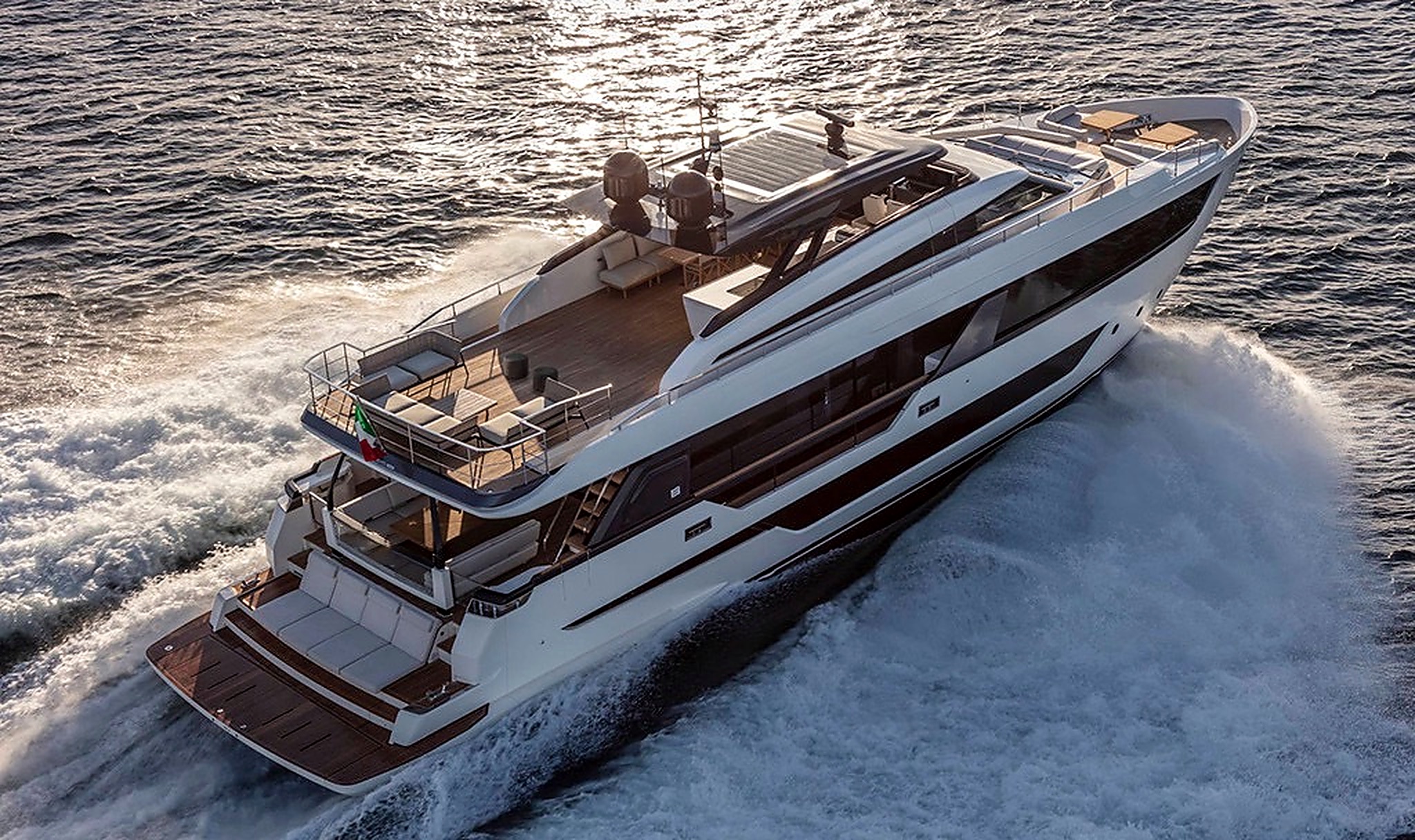
The most expensive faults on a used boat are the ones you cannot see: osmosis in the hull, hidden water ingress in the bilge, damage inside the engine block. A report from an independent surveyor brings those risks to the table before you buy.
A thorough pre-purchase survey has three parts. Out-of-water inspection: hull, keel, rudder, shafts and propellers, with moisture readings and percussion testing to reveal laminate problems. Mechanical inspection: engines, gearboxes, generator, fuel and cooling systems; an oil analysis acts like an X-ray of the engine's internals. Sea trial: engine behaviour under load, vibration, temperatures and the operation of electronics.
For a boat under 20 metres a survey usually takes a day, with the report delivered within two to three days. Cost scales with length; lift-out and hardstanding charges are paid separately by the buyer. International practice is that the buyer commissions and pays for the survey — the report is prepared in the buyer's name and is the buyer's negotiating tool.
Many sellers shy away from surveys, yet a clean report is the strongest shield against post-sale claims of hidden defects. Minor items found in the report are either repaired or reflected in the price; either way the deal closes with confidence.
When you see 'Survey report available' on a Yacht44 listing, the seller has already taken this step — a sign of a serious seller.
You, not the broker, should choose the surveyor; the broker may suggest names but selection and payment belong to the buyer — the report's independence depends on it. Internationally recognised qualifications include YDSA, IIMS and SAMS membership; in Turkey surveyors with classification-society experience are preferred. Make sure the surveyor is experienced in your hull type (GRP, steel, wood).
A good report sorts findings into three classes: safety defects to fix immediately, maintenance items to plan in the medium term, and cosmetic notes. Only the first two are subject to price negotiation. The report also states an insurance value and an insurability opinion; many insurers require a current survey for boats over 15 years old.
If the report is clean, you proceed at the agreed price. If it lists repairs, either the seller fixes them before handover or the cost is deducted from the price — both by written addendum. If findings are serious (structural damage, engine block, osmosis) you may withdraw and recover your deposit; standard purchase agreements recognise this explicitly as the survey condition.